7 Types of Breakfast Egg Preparation or Egg Recipe – Hotels | Resorts

Eggs are an excellent source of protein and a great way to start your day. There are many ways to prepare eggs for breakfast, but some of the most popular methods include frying, boiling, and scrambling. Eggs play a major role in cooking as they can be served as a main dish, as an accompaniment to other dishes, or as an ingredient in an item. Due to its versatility in nature eggs are considered as a primary ingredient in most culinary preparations, Eggs also provide moisture, richness, texture, and structure to the dishes.
7 Types of Breakfast Egg Preparations Done at Hotels | Resorts Eggs are an excellent source of protein and a ...
Read more

Tips for Wiping and Cleaning Glassware, Cutlery and Silverware – Restaurant | BAR | Hotels

Tips for Wiping and Cleaning Glassware, Cutlery and Silverware - Restaurant Keeping your glassware, cutlery, and silverware clean is essential in any restaurant. Not only does it ensure good hygiene practices, but it also enhances the overall dining experience for your customers. Here are some tips to help you wipe and clean your glassware, cutlery, and silverware effectively: Always use hot, soapy water to clean your glassware, cutlery, and silverware. This will help to remove any grease, food particles, and bacteria. Use a soft cloth to wipe your glassware and silverware. Avoid using abrasive materials, as they can scratch the surface and damage the items. When cleaning cutlery, pay attention to the crevices and corners of the utensils. These areas can easily trap food particles and bacteria, so be sure to clean them thoroughly. Dry your glassware and silverware with a lint-free cloth. This will help to prevent streaks and water spots. Store your glassware, cutlery, and silverware in a dry, clean place. Avoid stacking them too tightly, as this can cause damage to the items. By following these tips, you can ensure that your glassware, cutlery, and silverware remain clean and hygienic, and that your customers enjoy a pleasant dining experience.
Wiping and Cleaning Glassware, Cutlery, and Silverware – Restaurant | BAR | Hotels Keeping your glassware, cutlery, and silverware clean ...
Read more

Serving Tea & Coffee To Guests – Service Standard | Hotels | Restaurants | Resorts

Serving tea and coffee to hotel guests is an essential part of the hospitality industry. It is crucial to provide a high level of service to ensure that guests have a positive experience during their stay. To achieve an excellent service standard, it is essential to begin by greeting guests with a friendly smile and warm welcome. This initial interaction sets the tone for the rest of the service, and it is crucial to make a good first impression. When taking orders, it is essential to listen carefully to guests and to clarify any special requests or dietary requirements. It is also important to provide guests with a range of tea and coffee options, including decaf and herbal teas, to cater to different preferences. The presentation of the tea and coffee should also be considered. A well-presented tray with clean cups, saucers, and spoons is essential, and a small selection of biscuits or pastries can be a nice touch. Finally, it is essential to serve the tea and coffee promptly and with a smile. A friendly and attentive approach helps to create a positive guest experience, and guests are more likely to remember a great service standard.
Serving Tea and coffee to Guests – Service Standards Serving tea and coffee to guests is a vital aspect of ...
Read more

Key Terms F&B Or Jargon’s Used In Food & Beverage Service

In the world of food and beverage service, there are many terms and jargons that are commonly used. These terms can be confusing for those who are not familiar with the industry but are crucial for effective communication in the workplace. One of the most common terms used in F&B service is "mise en place," which refers to the preparation and arrangement of all the necessary ingredients and equipment before service. Another important term is "table d'hote," which refers to a set menu with a fixed price that includes several courses. Jargons such as "86" and "comp" are also commonly used in F&B service. "86" refers to an item that is no longer available on the menu, while "comp" refers to a complimentary item provided to a guest, such as a free dessert or drink. Other important terms in F&B service include "à la carte," "cover charge," "corkage fee," and "sommelier." Knowing these terms and jargons is essential for anyone working in the food and beverage industry to ensure effective communication and smooth service for guests.
Key terms or Jargon used in Food and Beverage Service In the world of food and beverage service, there are ...
Read more

12 Tips For Double Blender Using And Cleaning In BAR | Hotels | Restaurants

Using and cleaning a double blender efficiently is crucial in a bar setting to ensure smooth operations and maintain hygiene. Here are some tips for using and cleaning a double blender: Tips for Using a Double Blender: Separate Blenders for Different Purposes: If you have a double blender, designate one for alcoholic beverages and the other for non-alcoholic drinks. This helps prevent flavor transfer and ensures a consistent taste. Pre-Chill Blender Jars: For frozen drinks, pre-chill the blender jars in the freezer. This helps create a colder environment, resulting in better consistency for frozen cocktails. Prep Ingredients Before Blending: Have all your ingredients measured and prepared before starting to blend. This ensures a smoother and more efficient blending process. Use Enough Ice: Ensure that you use an adequate amount of ice for frozen drinks. This helps achieve the desired texture and prevents the blender from overheating. Avoid Overfilling: Do not overfill the blender jars. Leave enough space for the ingredients to move freely and blend evenly. Secure Lids Properly: Before blending, ensure that the lids are securely placed on the blender jars. This prevents spills and accidents during the blending process. Pulse Before Continuous Blending: Use the pulse function initially to break down larger ice chunks. Once the ingredients are partially blended, switch to continuous blending for a smoother texture. Clean Between Different Drinks: If making different drinks consecutively, clean the blender jars between batches to avoid flavor contamination. Tips for Cleaning a Double Blender: Safety First: Before cleaning, unplug the blender to ensure safety. This prevents accidental starts while handling the blades. Disassemble Components: Disassemble the blender components, including the jar, lid, and blade assembly. Check if your blender's design allows for easy disassembly. Rinse Immediately: Rinse the blender jar and components with warm water immediately after use. This helps prevent ingredients from drying and sticking, making the cleaning process easier. Use a Soft Brush: For hard-to-reach areas and around the blades, use a soft brush to dislodge any residue. Be cautious to avoid injury. Soak in Warm, Soapy Water: For thorough cleaning, soak the blender jar and components in warm, soapy water. This helps loosen any stubborn residue. Avoid Submerging Motor Base: Do not submerge the motor base or electrical components in water. Instead, wipe it down with a damp cloth. Run a Soapy Blend: Occasionally, blend warm, soapy water to clean the blades and internal components. Be sure to rinse thoroughly afterward. Air Dry Completely: Allow all components to air dry completely before reassembling the blender. This helps prevent the growth of mold and bacteria. By following these tips, you can ensure that your double blender remains efficient and clean for preparing a variety of delicious drinks in a bar setting.
Double Blender Using and cleaning in BAR If you’re running a bar, chances are you’re going to need to use ...
Read more

Types Of Garnish And Garnish Preparations For BAR | Bartender | Beverages
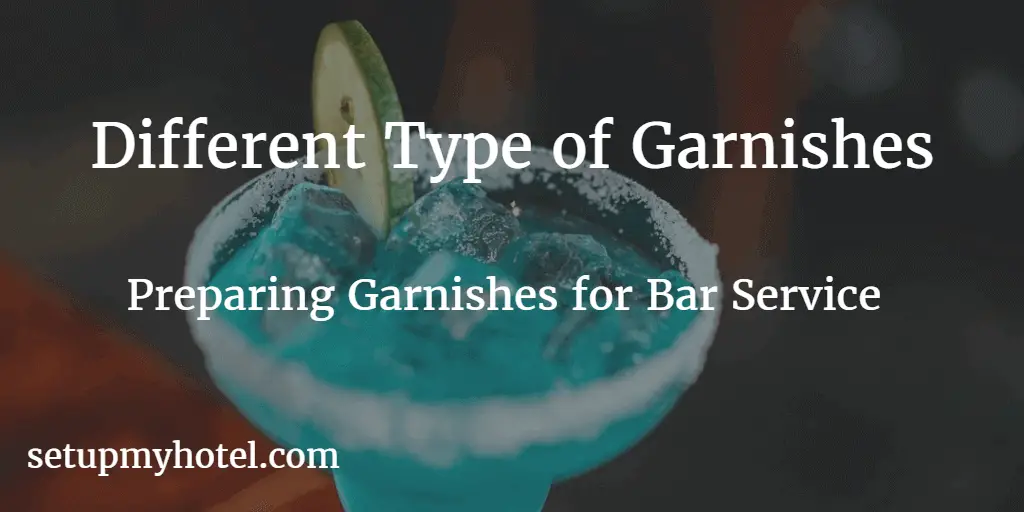
Garnishes are an essential part of any cocktail, not only do they add an aesthetic appeal to the drink, but they can also enhance the flavor profile of the cocktail. There are several types of garnishes that bartenders can use to make their drinks stand out. One of the most popular types of garnish is citrus. Lemon, lime, and orange are commonly used to add a zesty and refreshing flavor to cocktails. Citrus fruits can be sliced, wedged, or peeled to create different types of garnishes, depending on the drink. Another type of garnish that is gaining popularity is fresh herbs. Mint, basil, and rosemary are commonly used to add a fragrant aroma and a fresh taste to cocktails. The herbs can be muddled, slapped, or used as a simple sprig to add a pop of color and flavor to the drink. For those looking to add a bit of heat to their cocktail, spicy garnishes are a great option. Jalapeño, habanero, and chili peppers are commonly used to add a spicy kick to cocktails. They can be sliced, muddled, or used as a garnish to add a bit of heat to the drink. Finally, there are several other types of garnishes that bartenders can use to add flair to their drinks, including fruit, vegetables, and even candy. Bartenders should experiment with different types of garnishes to find the perfect combination for their cocktails. With a little creativity, the possibilities are endless.
Different Types of Beverage Garnish and their preparation Garnishes are an essential part of any cocktail, not only do they ...
Read more

How To Reduce Skipping (Non Paying) Guest In Restaurants?
Reducing the number of non-paying guests, commonly referred to as "skipping" or "dine-and-dash" incidents, is a priority for restaurants. Here are several strategies to help mitigate this issue: Implement a Reservation System: Require reservations, especially during peak hours. This helps track and manage incoming guests, making it more challenging for individuals to leave without settling their bills. Host Stand Monitoring: Train host or reception staff to be vigilant in monitoring guests entering and leaving the restaurant. Encourage them to communicate effectively with servers to ensure that each table is attended to promptly. Prompt Greetings and Service: Provide attentive and prompt service from the moment guests arrive. A quick acknowledgment and efficient service may deter potential dine-and-dash scenarios. Use Technology: Invest in point-of-sale (POS) systems that can keep real-time track of orders and payments. Some systems may even require pre-authorization for larger bills or high-risk transactions. Prepayment or Deposits: For special events or large group reservations, consider implementing prepayment or requiring a deposit. This ensures a commitment from the guests and reduces the likelihood of non-payment. Visible Signage: Display clear and visible signs indicating your restaurant's policy on dine-and-dash incidents. This can act as a deterrent and make guests aware of the consequences. Security Measures: Install security cameras in strategic locations, especially near exit points. This can deter individuals from attempting to leave without paying and provide evidence in case of an incident. Train Staff: Train staff to be observant and identify potential risks. Encourage them to communicate effectively with each other and to notify management immediately if they suspect someone may intend to leave without paying. Request Identification: In certain situations, such as with large bills or unfamiliar customers, it may be appropriate to request identification before taking an order. This can help in identifying and tracing guests if needed. Build Relationships with Regulars: Establish strong relationships with regular customers. Familiarity and a sense of community can contribute to a positive atmosphere and reduce the likelihood of non-payment incidents. Collaborate with Local Authorities: In case of recurring issues, work closely with local law enforcement. They may provide guidance or increase their presence to discourage potential offenders. Review and Learn from Incidents: Regularly review and analyze dine-and-dash incidents. Learn from each occurrence to identify patterns and areas for improvement in your restaurant's operations. By combining these strategies and creating a comprehensive plan, restaurants can significantly reduce the risk of non-paying guests and create an environment that discourages such incidents. It's essential to strike a balance between implementing security measures and maintaining a welcoming atmosphere for genuine customers.
How to Reduce Skipping (non-paying) guests in Restaurants? Reducing the number of non-paying guests, commonly referred to as “skipping” or ...
Read more

4 Types Of F&B Par Stocks

In the context of the food and beverage industry, "par stock" refers to the standard quantity of a particular item that should be on hand to meet the needs of a business during a specific period, often a day or a shift. Par stocks are crucial for maintaining inventory control and ensuring that a restaurant or bar has a sufficient supply of ingredients to fulfill customer orders without running out or overstocking. For food and beverage establishments, par stocks are typically established for various categories of items, such as food ingredients, beverages, utensils, and disposables. The determination of par stocks is influenced by factors such as historical consumption patterns, sales volume, menu items, and the frequency of deliveries. Here's how par stocks function in different areas of the food and beverage industry: Food Ingredients: Par stocks for food ingredients ensure that the kitchen has a sufficient supply of essential items to prepare menu items. For example, if a restaurant uses a specific sauce in multiple dishes, the par stock for that sauce would be set to meet the expected demand. Beverages: In bars or restaurants with a beverage service, par stocks are set for various types of alcohol, mixers, and other drink ingredients. This helps prevent shortages during busy periods and ensures a consistent quality of service. Utensils and Disposables: Par stocks extend beyond food and drink items to include utensils, napkins, and other disposables. Having a predetermined quantity of these items helps in managing operational needs efficiently. Establishing and maintaining par stocks involves a careful balance to avoid unnecessary holding costs associated with excess inventory and potential disruptions due to insufficient supplies. Inventory management systems and regular monitoring help businesses adjust par stocks based on changing demand patterns, seasonal variations, and other factors. For example, if a restaurant experiences increased demand for a particular dish during a certain season, the par stock for ingredients used in that dish may be adjusted upward to accommodate the higher demand. Efficient par stock management contributes to cost control, reduces waste, and ensures a smoother operational flow in the food and beverage industry. Regular assessments and adjustments to par stocks help businesses optimize their inventory levels and respond effectively to changes in customer demand.
What are the types of Food & Beverage Par Stocks The food and beverage industry, “par stock” refers to the ...
Read more

10 Types Of Trolley Used In Food And Beverage Service
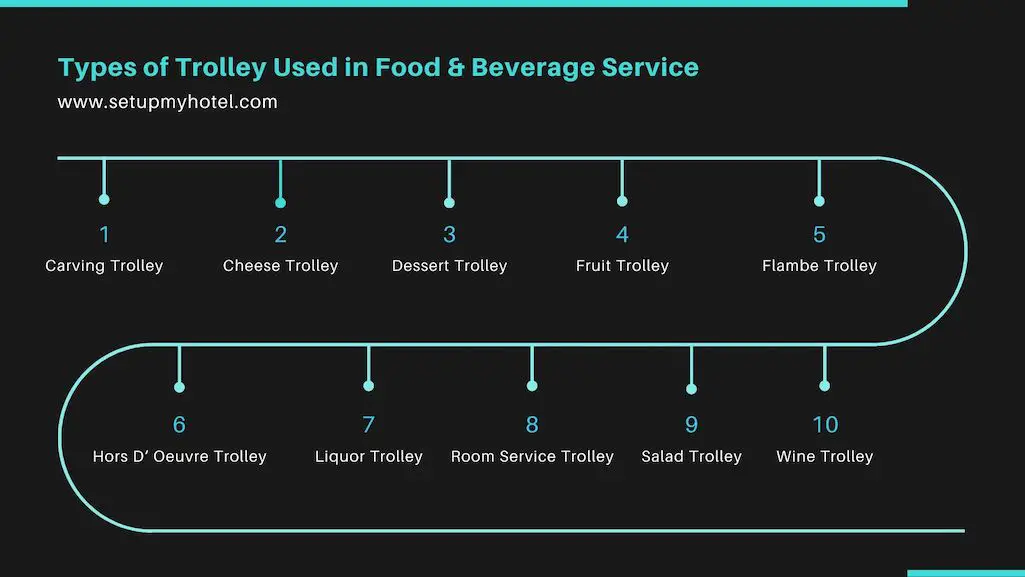
Types of Trolley Used in FB Service- In hotel food and beverage service, trolleys are a common sight. They are used to transport food and beverages from the kitchen to the dining area. There are different types of trolleys used in hotel food and beverage service, each with its own unique features and benefits. One of the most common types of trolleys used in hotel food and beverage service is the tray trolley. As the name suggests, this trolley is designed to carry trays of food and drinks. It usually has several shelves, and each shelf can hold multiple trays. Tray trolleys are ideal for quick and efficient service, as they allow servers to transport multiple trays at once. Another type of trolley commonly used in hotel food and beverage service is the wine trolley. Wine trolleys are designed specifically for transporting wine bottles and glasses. They usually have a flat surface on top for carrying the bottles, and racks or compartments for holding the glasses. Wine trolleys are often used for tableside service, where the server pours wine for guests directly from the trolley. In addition to tray and wine trolleys, there are also dessert trolleys, tea trolleys, and even room service trolleys. Each type of trolley is designed to meet a specific need in hotel food and beverage service, and they all play an important role in delivering high-quality service to guests.
Types of Trolleys Used in Hotel Food and Beverage Service In hotel food and beverage service, trolleys are a common ...
Read more

Room Service / In-Room Dining Department Layout Or Design
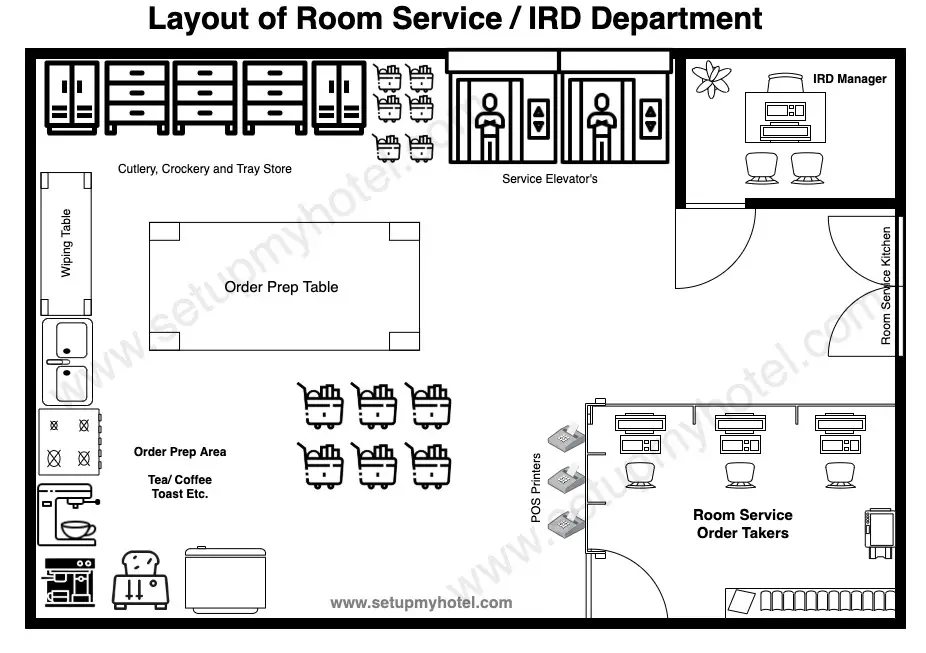
The layout of a hotel room service department can vary depending on the size of the hotel, the level of service offered, and other factors. However, a standard layout often includes the following key areas: Order Processing Area: This is the central hub where orders are received and processed. It typically includes a computer or POS system for entering orders, phones for taking guest calls, and a printer for order tickets. Kitchen/Preparation Area: The kitchen or preparation area is where the food and beverages for room service are prepared. It should be well-equipped with cooking appliances, food storage, and preparation surfaces. Service Station: This area is where the orders are assembled and organized for delivery. It may include a staging area for trays, utensils, condiments, and any additional items needed for service. Storage Area: A designated storage area is necessary for keeping perishable and non-perishable items used in room service. Proper storage helps maintain inventory control and ensures the freshness of ingredients. Delivery and Pickup Station: This area is where the room service staff picks up orders for delivery to guest rooms. It may also serve as a space for returning used trays and dishes from guest rooms. Linen and Tray Collection Area: An area for collecting used linens, trays, and dishes from guest rooms is essential. It may include bins or carts for transporting items back to the kitchen for cleaning. Quality Control and Final Check: Before orders are sent out for delivery, there should be a quality control and final check area. Staff members ensure that each order is complete, accurate, and meets the hotel's standards. Staff Break Area: A designated break area provides a space for room service staff to take breaks, have meals, and rest between shifts. Order Tracking System: An order tracking system, whether digital or manual, helps monitor the status of each order, ensuring timely preparation and delivery. Supervisory Office: A small office for the room service supervisor or manager to oversee operations, handle administrative tasks, and address any issues that may arise. Equipment Storage: Adequate space for storing service equipment such as trays, carts, and serving utensils. Hygiene and Sanitation Station: A designated area for maintaining cleanliness and hygiene, including handwashing stations and sanitizing supplies for staff. Training Area: If applicable, a space for training new staff members on room service procedures, customer service, and safety protocols. It's important to note that the layout should be designed to optimize workflow, minimize delays, and ensure the efficient delivery of high-quality room service. The goal is to create a seamless process that enhances the guest experience while maintaining operational efficiency. The specific layout may be adjusted based on the hotel's unique requirements and the volume of room service orders handled.
Standard Layout of Room Service / In-Room Dining (IRD) The layout of a hotel room service department can vary depending ...
Read more