Key Terms / Jargons Used In Housekeeping Department

When it comes to the world of housekeeping, there are several key terms and jargons that are used on a regular basis. Understanding these terms can be helpful for anyone who is new to the industry or looking to expand their knowledge base. One common term is "turn-down service," which refers to the process of preparing a guest's room for the evening. This typically involves tidying up the room, replacing any used towels or linens, and leaving a small treat or note for the guest to enjoy. Another important term is "deep cleaning," which is a more intensive form of cleaning that involves thorough scrubbing and disinfecting of all surfaces. This type of cleaning is typically done on a less frequent basis, such as once a month or every few months. Other housekeeping jargons include "inventory control," which refers to the process of managing and restocking supplies such as toiletries and cleaning products, and "maintenance request," which is a guest's request for any repairs or maintenance needed in their room. By understanding these key terms and jargons, housekeeping professionals can provide better service and ensure a clean, comfortable environment for their guests.
Key terms used in the hotel Housekeeping department When it comes to the world of housekeeping, there are several key ...
Read more

Uniform Issuing Policy For Hotel Staffs

It is important for hotels to have a clear and consistent uniform issuing policy for all their staff. This policy should ensure that all employees are dressed appropriately for their respective roles and that the uniforms are comfortable and functional. One key aspect of the policy should be the selection of colors and designs that reflect the hotel's brand and image. It is also important to consider the climate and work environment when choosing materials and styles for the uniforms. Another important consideration is the proper maintenance of the uniforms. The policy should outline guidelines for the cleaning and storage of the uniforms to ensure they remain in good condition and present a professional appearance. Providing uniforms to staff not only creates a cohesive and professional look for the hotel, but also helps to instill a sense of pride and belonging among employees. It can also make it easier for guests to identify and approach staff members for assistance. Overall, a well-designed uniform issuing policy can contribute to a positive and professional atmosphere in the hotel, ultimately leading to better guest experiences and increased satisfaction.
Setting Up Uniform issue policy for hotel staff It is important for hotels to have a clear and consistent uniform ...
Read more

Housekeeping Department Organizational Chart

The Housekeeping Department is an integral part of any organization, responsible for maintaining cleanliness and orderliness in the workplace. To achieve this, the department is typically organized into various levels of management, each with its own set of responsibilities. At the top of the chart is the Director of Housekeeping, who is responsible for overseeing the entire department. The Director is supported by an Assistant Director, who assists in managing the day-to-day operations of the department. Next in line are the Housekeeping Managers, who are responsible for managing specific areas of the department, such as guest rooms, public areas, or laundry services. The managers are supported by Supervisors, who oversee the work of the housekeeping staff and ensure that all tasks are completed to a high standard. At the bottom of the chart are the Housekeeping Attendants, who are responsible for carrying out the daily tasks of cleaning and maintaining the organization. They work under the supervision of the Supervisors and Managers, and are vital to ensuring that the workplace is kept clean and organized. Overall, the organizational chart of the Housekeeping Department is designed to ensure that all tasks are delegated appropriately and that the department operates efficiently and effectively.
Housekeeping Department Organization Chart – Large Hotel | Small Hotel | Medium Hotel | Chain Hotel The Housekeeping Department is ...
Read more

Standard Beds And Bed Sizes – Hotels | Resorts | B&B | Lodge

When it comes to booking a hotel room, one of the most important factors for many people is the size and comfort of the bed. Most hotels around the world offer a range of bed sizes to suit different needs and preferences. In the United States, the most common bed sizes used in hotels are twin, double, queen, and king. A twin bed is the smallest option and is typically best suited for a single person. Double beds are slightly larger and can comfortably accommodate two people, but they may be a bit tight for couples who prefer more space. Queen beds are a popular choice for most hotel rooms as they provide ample space for two people to sleep comfortably. They are also a good option for solo travelers who prefer a more spacious bed. King beds are the largest option and offer plenty of space for couples or families with young children. It's worth noting that bed sizes can vary slightly depending on the country or region you're visiting. For example, in the United Kingdom, double beds are slightly smaller than their American counterparts. Regardless of the size, most hotels strive to provide guests with comfortable, high-quality beds to ensure a good night's sleep. So next time you're booking a hotel room, pay attention to the bed size and choose the option that best suits your needs.
Choose Beds and Bed sizes for – Hotels | Resorts | B&B | Lodge When it comes to booking a ...
Read more

Hotel Laundry Operation & Flow Chart

When it comes to managing a hotel's laundry operations, it's important to have a clear understanding of the flow of the process. A well-designed flow chart can help ensure that everything runs smoothly and efficiently. The first step in the laundry process is collection. This involves gathering soiled linens and garments from guest rooms and other areas of the hotel. The next step is sorting, which involves separating items by color, fabric type, and level of soiling. Once the items have been sorted, they are typically pre-treated to remove any stains or heavy soiling. Then, they are loaded into washing machines and cleaned according to their specific care instructions. After the items have been washed, they are dried in large commercial dryers. This is followed by a process called finishing, which involves pressing and folding the items to give them a crisp, clean look. Finally, the items are either stored for future use or returned to the appropriate areas of the hotel for guest use. By following a clear laundry flow chart, hotels can ensure that their laundry operations are efficient, cost-effective, and provide guests with the highest level of cleanliness and comfort.
Hotel Laundry Operation and Laundry Flow chart When it comes to managing a hotel’s laundry operations, it’s important to have ...
Read more

Servicing Guest Rooms With DND Sign / Do Not Disturb Lamp
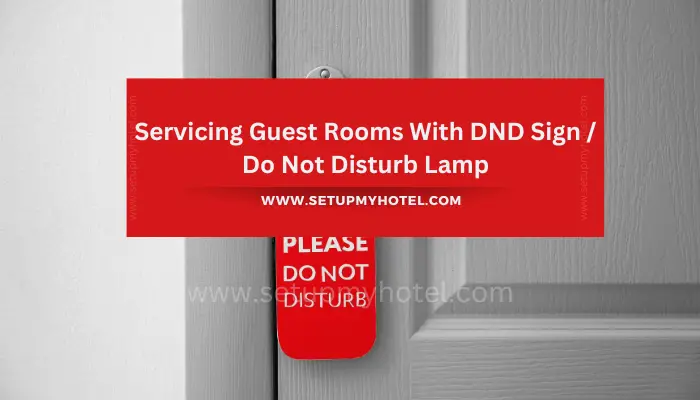
As a hotel staff member, it is important to respect the privacy of guests who have placed a "Do Not Disturb" sign or lamp outside their room. While it may be tempting to enter the room to clean or tidy up, it is crucial to wait until the sign is removed or until the guest requests service. When servicing a room with a DND sign, it is still important to check the room's safety and security features, such as ensuring that all windows and doors are properly closed and locked. If there are any concerns about the safety or welfare of the guest, it may be necessary to contact hotel management or security. It is also important to communicate with guests about their preferences for room service. Some guests may prefer to have their room serviced at specific times or with certain frequency, while others may prefer to have minimal interruptions during their stay. By providing clear and respectful communication, hotel staff can ensure that guests feel comfortable and valued during their stay.
Servicing guest rooms with DND sign / Do not disturb lamp As a hotel staff member, it is important to ...
Read more

Difference Between Skipper And Sleeper

Difference Between Skipper and Sleeper in the Hotel Industry Introduction: Decoding Skipper and Sleeper in Hotel Operations In the realm of hotel operations, the terms "Skipper" and "Sleeper" carry unique significance, representing distinct challenges that demand attention and strategic solutions. In the intricate world of hotel management, precise room status updates are vital for a seamless guest experience. Two terms that play a crucial role in understanding the dynamics of this process are "Skipper" and "Sleeper." Each term reflects a distinct scenario that can pose challenges for hotel staff. In this discussion, we explore the definitions, implications, and preventive measures associated with these terms, shedding light on the intricacies of managing guest accounts and room statuses.
Difference Between Skipper and Sleeper in the Hotel Industry Introduction: Decoding Skipper and Sleeper in Hotel Operations In the realm ...
Read more

Types of Room Cleaning Chemicals / Taski Cleaning Agents (R1 to R9) | Housekeeping
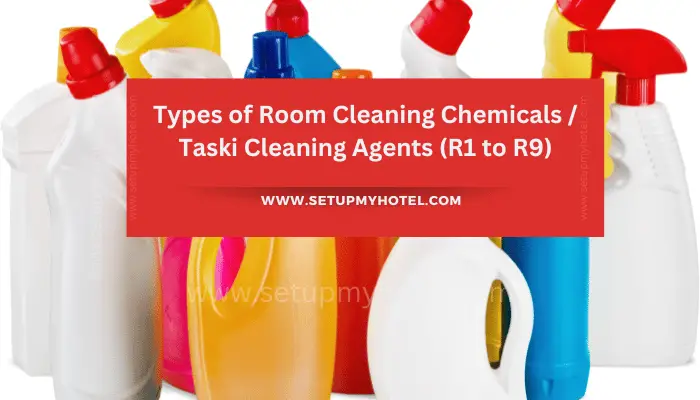
Room cleaning chemicals are essential for maintaining a clean and healthy environment. There are different types of cleaning chemicals available in the market, each designed to meet specific cleaning needs. One popular brand of cleaning agents is Taski, which offers a range of products labeled R1 to R9. Taski R1 is a general-purpose cleaner, suitable for cleaning floors, walls, and other surfaces. It effectively removes dirt and grime, leaving a fresh scent behind. R2 is a heavy-duty cleaner, designed for tough cleaning jobs like removing stains and grease. It is ideal for use in kitchens and food preparation areas. R3 is a glass cleaner that leaves a streak-free finish, making it perfect for windows, mirrors, and other glass surfaces. R4 is a disinfectant cleaner that kills germs and bacteria, making it suitable for use in hospitals, clinics, and other healthcare facilities. R5 is a carpet cleaner that effectively removes dirt and stains from carpets and upholstery. R6 is a floor polish that gives floors a shiny and polished look, while R7 is a floor stripper that helps remove old floor polish. Finally, R9 is a descaling agent that removes limescale and other mineral deposits from surfaces like bathroom fixtures and kitchen appliances. With this range of cleaning agents, Taski makes it easy to keep your environment clean and hygienic in all areas.
Different Types of Guest Room Cleaning Agents / Chemicals (R1 to R9) Room cleaning chemicals are essential for maintaining a ...
Read more

Types of Brushes and Mops Used in Housekeeping | Hotels
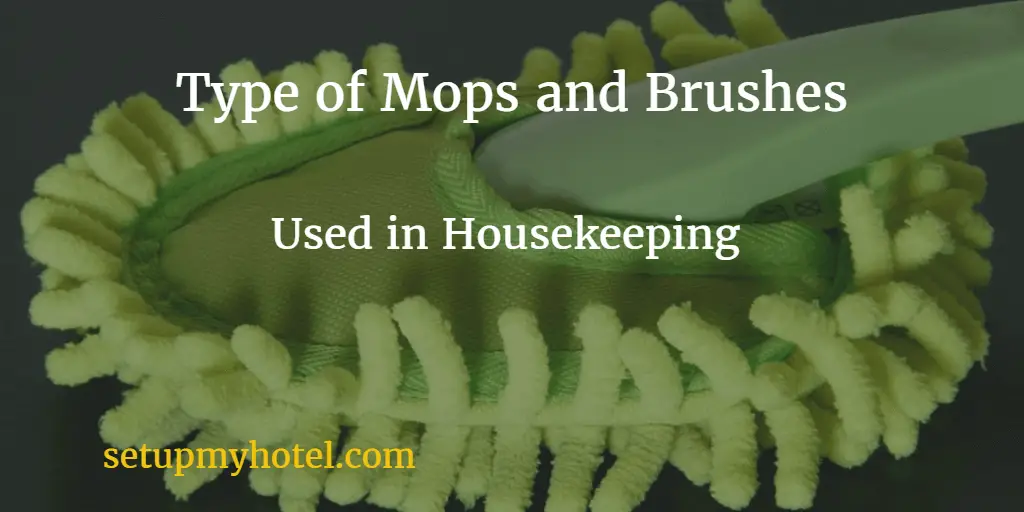
Keeping a house clean and tidy requires the use of various cleaning tools, including brushes and mops. With so many different types of brushes and mops available in the market, it can be challenging to determine which tool will work best for specific cleaning tasks. Bristle brushes are one of the most common types of brushes used in housekeeping. These brushes come in a variety of sizes and shapes and can be used for a range of cleaning tasks such as sweeping floors, scrubbing surfaces, and dusting furniture. For delicate surfaces such as polished wood or glass, softer bristle brushes are recommended to avoid scratches. On the other hand, mops are essential tools for cleaning floors, especially in areas with high traffic or frequent spills. Traditional mops with cotton or synthetic fibers are commonly used for wet mopping of floors, while microfiber mops are increasingly popular due to their ability to trap dirt and bacteria effectively. Additionally, steam mops can be used for deeper cleaning and disinfecting without the need for chemicals. In conclusion, selecting the right brush or mop for a particular cleaning task can make the process more efficient and effective. Knowing the different types of brushes and mops available and their intended use can help homeowners and housekeepers achieve a clean and hygienic living space.
Different Types of Brushes and Mops Used in Housekeeping Keeping a house clean and tidy requires the use of various ...
Read more

Types of Cleaning Cloths Used in Housekeeping
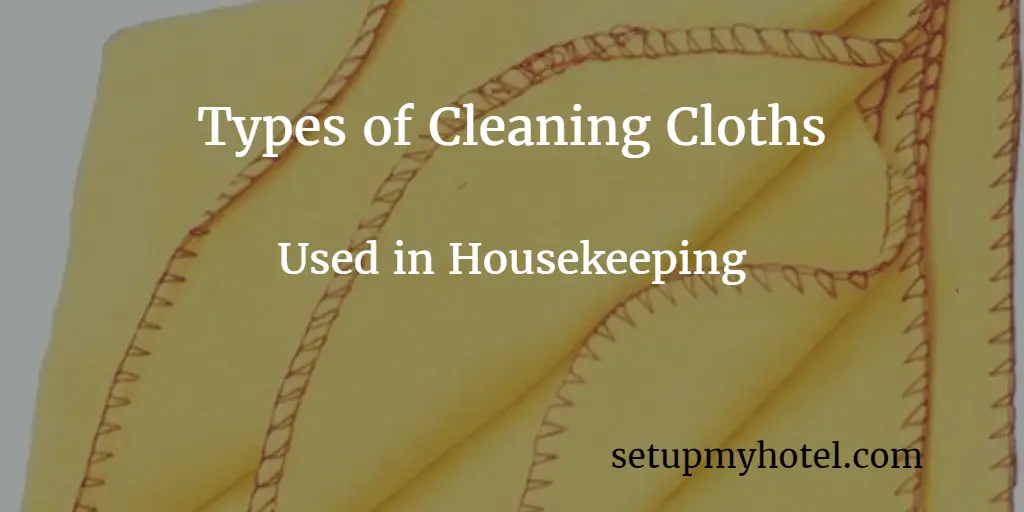
Cleaning cloths are an essential tool for housekeeping. They come in different materials and styles, each with their unique cleaning properties. One of the most commonly used cleaning cloths is microfiber. Microfiber cloths are effective in cleaning surfaces without the use of chemicals. They are soft and absorbent, making them ideal for wiping surfaces that require gentle cleaning. Another type of cleaning cloth is the cotton cloth. Cotton cloths are durable and absorbent, making them perfect for cleaning spills and stains. They are also ideal for dusting surfaces, as they do not scratch or damage delicate surfaces. Chamois is another type of cleaning cloth that is commonly used in housekeeping. It is made from leather and is highly absorbent, making it ideal for cleaning windows and mirrors. Chamois cloths are soft and do not leave streaks, making them perfect for cleaning windows and other glass surfaces. In addition to these three types of cleaning cloths, there are also other options available, such as linen, terry cloth, and suede. Each type of cleaning cloth has its unique cleaning properties, and choosing the right one will depend on the cleaning task at hand. Regardless of the type of cleaning cloth used, it is essential to use a clean cloth for each cleaning task to avoid cross-contamination.
Different Types of Cleaning Cloths and their uses in housekeeping There are different varieties of cloths which are used in ...
Read more